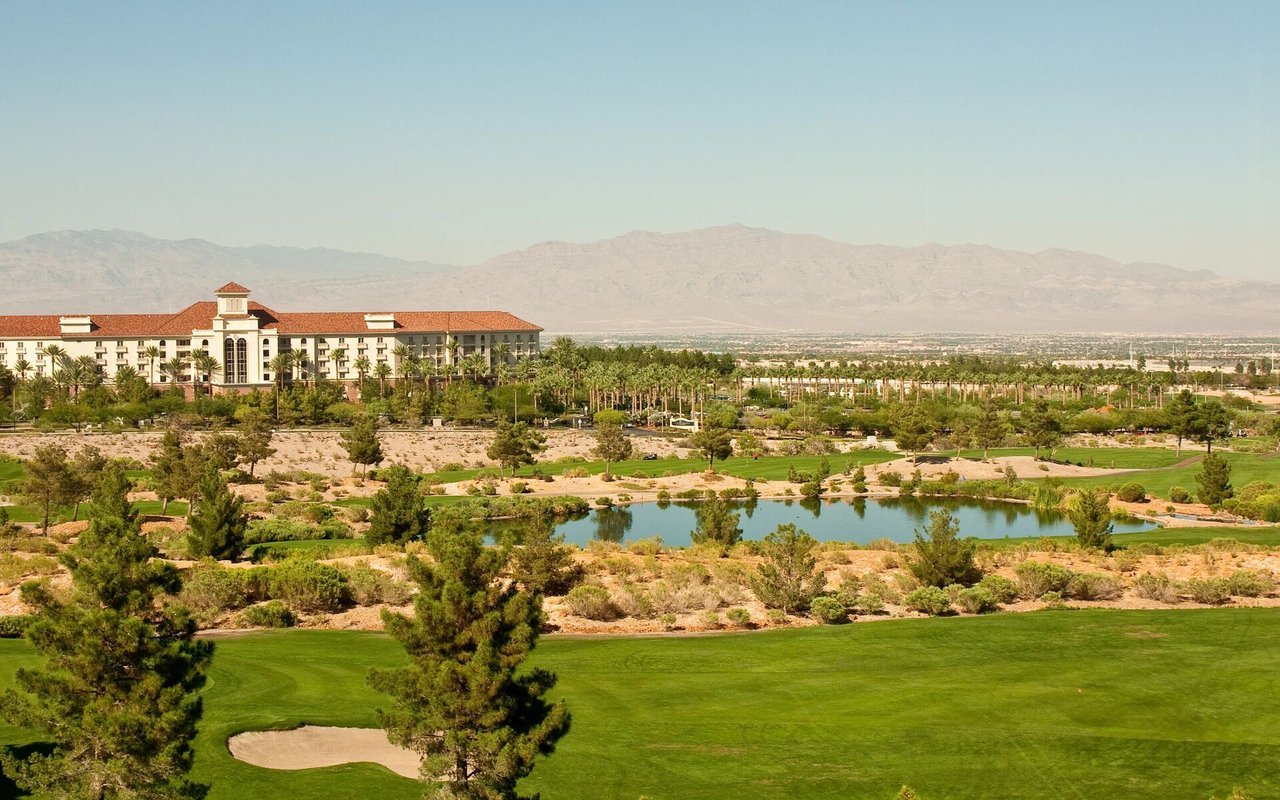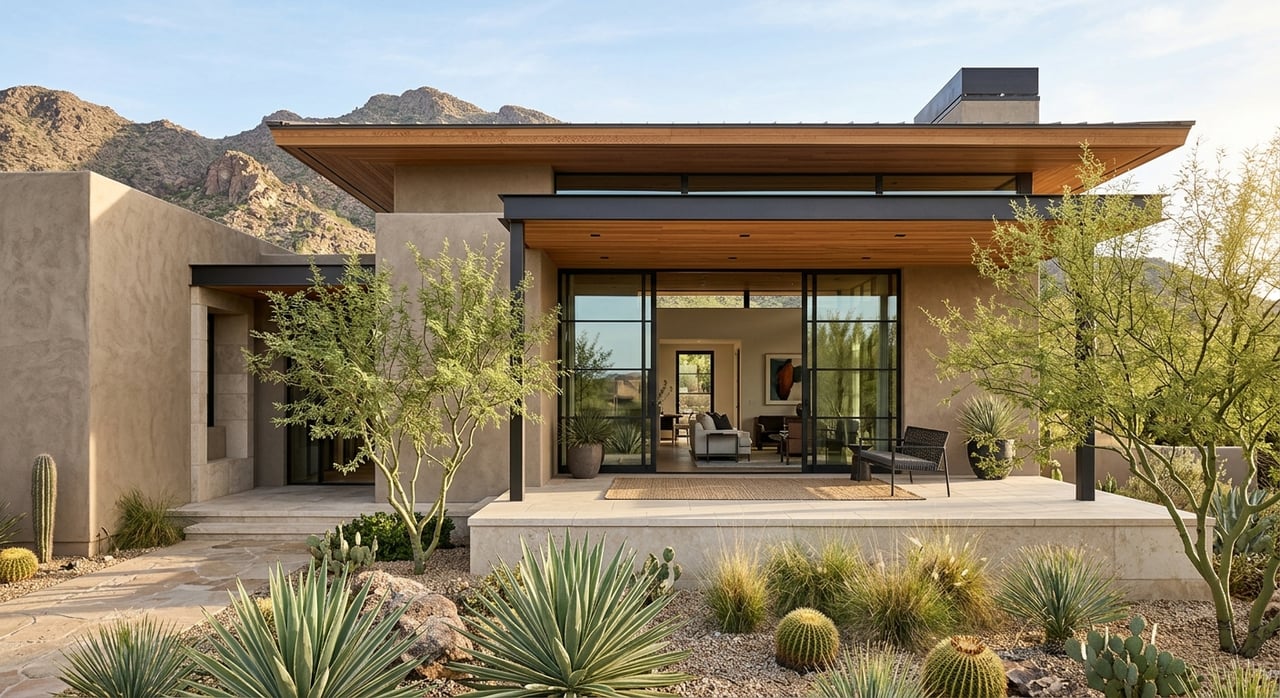
Wondering what everyday life in Summerlin actually feels like, beyond the polished photos and well-known name? If you are considering a move to the west side of Las Vegas, you probably want more than a map pin. You want to know how the days flow, what is close by, and whether the lifestyle matches what you want at home. That is exactly what this guide covers, so let’s dive in.
Summerlin feels connected
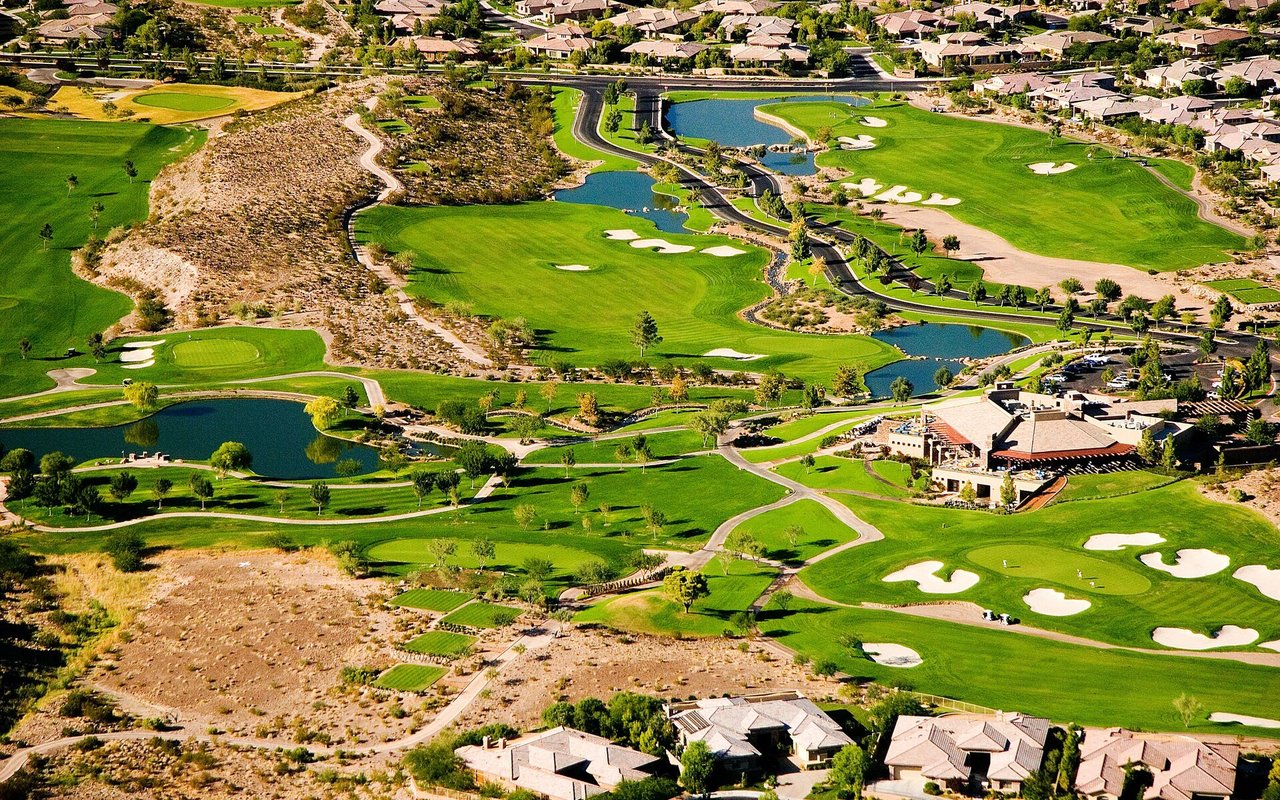
Summerlin is a large master-planned community on the western edge of the Las Vegas Valley. Official community materials describe it as spanning about 22,500 acres with roughly 130,000 residents, more than 300 parks, over 200 miles of trails, and Downtown Summerlin as its urban core.
That scale matters because Summerlin does not live like one single neighborhood. It was planned as a network of connected villages and districts, each with its own design character while still feeling part of a cohesive whole. If you move here, your daily routine often feels local and village-based, even within a much larger community.
Mornings start outdoors
One of the clearest patterns in Summerlin life is how often the day begins outside. The trail system connects neighborhoods with parks, schools, and shopping, which makes walking, running, biking, and stroller outings part of normal daily life rather than a special event.
Summerlin says it has more than 200 miles of trails, including street-side paths, village trails, natural trails, regional routes, and cycling lanes. That variety gives you options whether you want a quick dog walk, a longer morning run, or an easy ride before work.
In some western parts of Summerlin, elevation is also part of the experience. Community materials say areas near 4,000 feet above sea level can run about five to seven degrees cooler than the center of the valley. You may also notice broader views and more native desert landscaping in those higher areas.
Why the outdoors feel central
The outdoor setup is not limited to one park or one scenic path. It is built into the way the community was planned, with trails and green space woven through multiple villages.
That can shape your routine in practical ways, such as:
- Walking to a nearby park
- Taking a morning jog on a village trail
- Biking along a regional route
- Adding a short outdoor break between errands
- Making after-school park time part of the week
Midday revolves around convenience
By midday, many daily routines shift toward errands, coffee, lunch, appointments, or office time. In Summerlin, Downtown Summerlin is the main anchor for that part of the day.
Official materials describe Downtown Summerlin as a walkable urban core in the heart of the community, just east of the 215 Beltway between Sahara Avenue and Charleston Boulevard. It combines retail, dining, entertainment, sports, office, and residential uses in one concentrated area.
For everyday living, that mix can be a real advantage. Summerlin says the district includes more than 125 retail and grocery stores and more than 30 restaurants, along with fitness and office space. Instead of planning a long cross-valley trip for basic needs or a casual lunch, many residents can keep much of their routine close to home.
What that means for your day
If you work remotely, need flexibility, or simply value efficiency, this setup can make the week feel smoother. You can move from errands to lunch to an appointment without bouncing across multiple parts of the valley.
That convenience is one reason Summerlin often appeals to relocating buyers and move-up buyers. It offers a polished, organized feel while still supporting the practical rhythm of everyday life.
Afternoons bring parks, pools, and programs
Summerlin tends to stay active well into the afternoon. Parks, youth activities, community centers, and pool time all play a role in how people use the neighborhood after school or after work.
Community materials say Summerlin has more than 300 parks and four resident-only community centers, with three offering Olympic-sized pools. There are also two public centers operated by the City of Las Vegas and Clark County.
These spaces are more than background amenities. Summerlin describes the pools as places for swim lessons, seasonal gathering, and social interaction, which helps explain why activity spreads across the community instead of staying centered only around shopping and entertainment.
A community built for regular use
In some neighborhoods, amenities look good on a brochure but feel separate from everyday life. Summerlin is different because so many parks, trails, and recreation areas are distributed throughout the community.
That means your afternoon could look like:
- Park time with the kids
- Lap swimming or lessons at a community pool
- Practice or programs at a resident center
- A casual walk before dinner
- Meeting friends at a neighborhood green space
Evenings offer close-to-home options
By evening, Summerlin can shift from practical to social. This is where Downtown Summerlin stands out again, especially if you like having options without needing to plan a major night out.
Downtown Summerlin is home to Las Vegas Ballpark, where the Las Vegas Aviators play, and City National Arena, the official practice facility of the Vegas Golden Knights. City National Arena also offers hockey and skating programs, which adds year-round activity beyond game days.
The district also hosts community events. Current calendars include weekly Summerlin Sounds evenings on The Lawn, and community pages reference seasonal celebrations and the annual Patriotic Parade as part of the broader local calendar.
A more local evening rhythm
For many buyers, this is one of Summerlin’s biggest lifestyle strengths. You can go to dinner, attend an event, catch a game, or enjoy a public gathering without automatically committing to a long drive.
That does not mean every evening is busy. It simply means you have nearby options when you want them, which can make the community feel both active and convenient.
Summerlin is village-based, not one-note
A common misconception is that Summerlin is one uniform place. In reality, official planning language emphasizes distinct village identities, with differences in landscaping, wall design, and visual character across the community.
That is important if you are home shopping here. Two homes may both have a Summerlin address but offer a different day-to-day feel depending on their village, nearby trail access, distance to Downtown Summerlin, elevation, and surrounding amenities.
This is also why broad online summaries often miss the mark. To really understand Summerlin, it helps to compare specific areas instead of treating the whole community as interchangeable.
Access matters in daily life
Summerlin is connected to the rest of the valley through major road access, especially the 215 Beltway and Summerlin Parkway. Official materials highlight both routes as important connectors, and RTC places the Downtown Summerlin Transit Facility near the ballpark along the Summerlin Parkway area.
That access can make commuting and cross-valley trips more manageable, while still letting you keep much of your weekly routine on the west side. For many buyers, that balance is part of the appeal.
Summerlin also sits in a strong position for outdoor escapes. Red Rock Canyon is a major nearby destination, and the Bureau of Land Management says it is about 17 miles west of the Las Vegas Strip, with hiking, climbing, biking, and a 13-mile scenic drive. Public transportation does not extend there, so it is best thought of as a short drive or ride-share outing.
Schools are part of the fabric
For buyers who want nearby education options, Summerlin’s school network is another key part of the lifestyle. Community materials say Summerlin is home to more than two dozen schools, including 16 public schools and 10 private or charter schools, along with higher education facilities such as the College of Southern Nevada Learning Center and Roseman University of Health Sciences and College of Medicine.
Just as important, schools are woven into specific villages rather than treated as isolated campuses far from residential areas. Official listings place schools in villages including The Willows, The Arbors, The Pueblo, The Cliffs, Summerlin Centre, and The Trails.
That supports the larger pattern seen across the community. Summerlin was planned so daily life, including parks, schools, open space, and services, feels integrated rather than scattered.
Who Summerlin fits best
Summerlin can appeal to a wide range of buyers, but the lifestyle tends to resonate most with people who want a connected desert setting with structure and convenience. If you value outdoor access, organized amenities, and a strong mix of daily essentials and entertainment, it often checks many boxes.
It can be especially appealing if you are relocating and want a community that is easier to learn in pieces. Because Summerlin is made up of distinct villages, you can narrow your search based on the type of day you want to have, not just the type of house you want to buy.
The real takeaway
Living in Summerlin often means your day can happen closer to home. Morning trails, midday errands, afternoon recreation, and evening entertainment all have a way of connecting into one local rhythm.
That is what gives Summerlin its staying power. It feels established, still growing, and carefully planned around how people actually live. If you are trying to decide whether Summerlin fits your lifestyle, the answer usually comes down to how much you value convenience, outdoor access, and a village-based community feel.
If you want help comparing Summerlin villages, touring homes, or understanding how this part of Las Vegas fits your goals, Jeremy Looby offers tailored guidance with a polished, low-pressure approach.
FAQs
What is everyday life like in Summerlin?
- Everyday life in Summerlin often follows a local rhythm of morning outdoor activity, midday errands or dining at Downtown Summerlin, afternoon recreation in parks or pools, and nearby evening entertainment or events.
How big is the Summerlin community?
- Official community materials describe Summerlin as spanning about 22,500 acres and home to roughly 130,000 residents.
What outdoor amenities does Summerlin offer?
- Summerlin says it has more than 300 parks, over 200 miles of trails, resident community centers, and multiple pools, which makes outdoor time a regular part of daily life.
What is Downtown Summerlin used for?
- Downtown Summerlin serves as the community’s walkable urban core, with shopping, dining, entertainment, office space, sports venues, and community events.
Are all Summerlin neighborhoods the same?
- No. Summerlin is planned as a collection of distinct villages and districts, each with its own design character, layout, and nearby amenities.
How close is Summerlin to Red Rock Canyon?
- Red Rock Canyon is a short drive from Summerlin, and the Bureau of Land Management places it about 17 miles west of the Las Vegas Strip.
Does Summerlin have schools within the community?
- Yes. Community materials say Summerlin includes more than two dozen schools, including public, private, and charter options, plus some higher education facilities.