Wondering whether Summerlin West or classic Summerlin is the better fit for your next move? It is a smart question, because these two parts of the same master-planned community can feel very different once you look at home styles, setting, and daily convenience. If you are weighing newer construction against a more established neighborhood feel, this guide will help you compare the tradeoffs clearly. Let’s dive in.
Summerlin West vs classic Summerlin
At a high level, this is not a case of one area being better than the other. It is more about newer and still expanding versus older and more established.
Classic Summerlin generally refers to the earlier villages built out in the 1990s and early 2000s, including areas like The Hills, The Crossing, The Arbors, Summerlin Centre, The Willows, The Canyons, The Gardens, The Vistas, and The Mesa. Summerlin West refers to the current westward expansion, including newer districts like Redpoint and Redpoint Square, located west of the 215 Beltway and north of Far Hills.
That distinction matters because it shapes what you will likely see as a buyer. In Summerlin West, you will find newer neighborhoods, current builder product, and more smaller-footprint options. In classic Summerlin, you will usually see a broader resale mix, more mature landscaping, and a neighborhood network that has been in place for years.
Home styles feel different
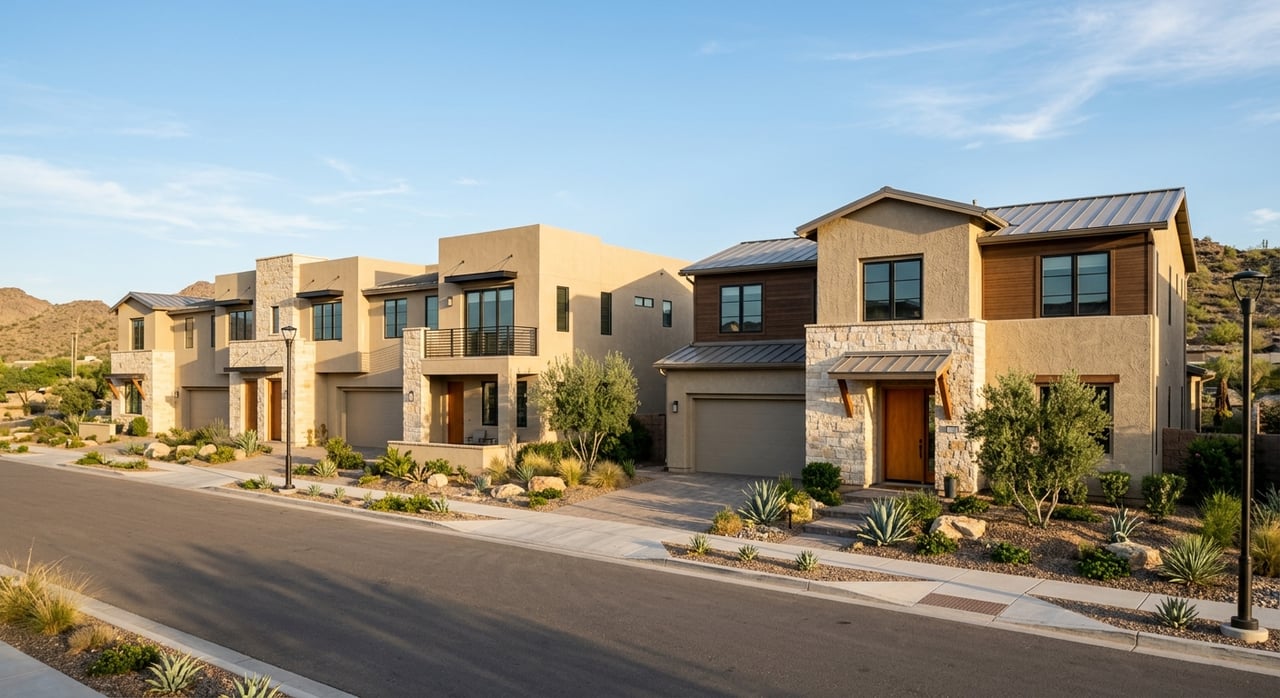
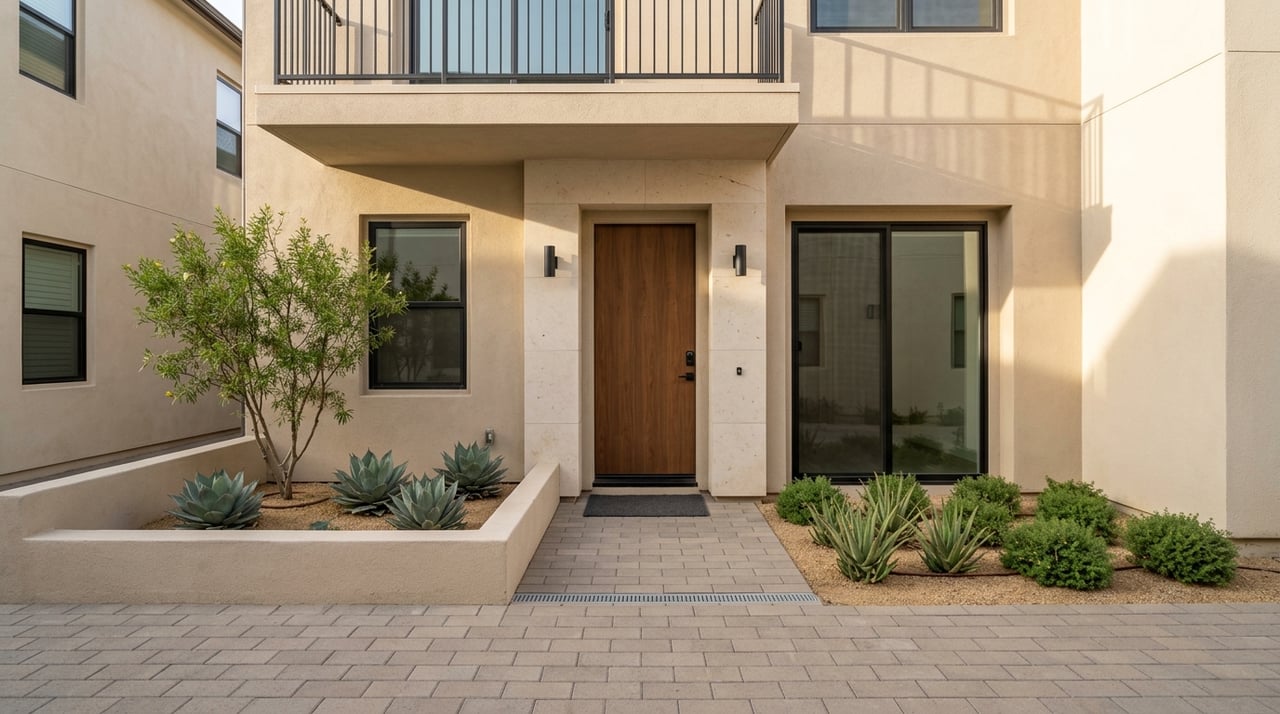
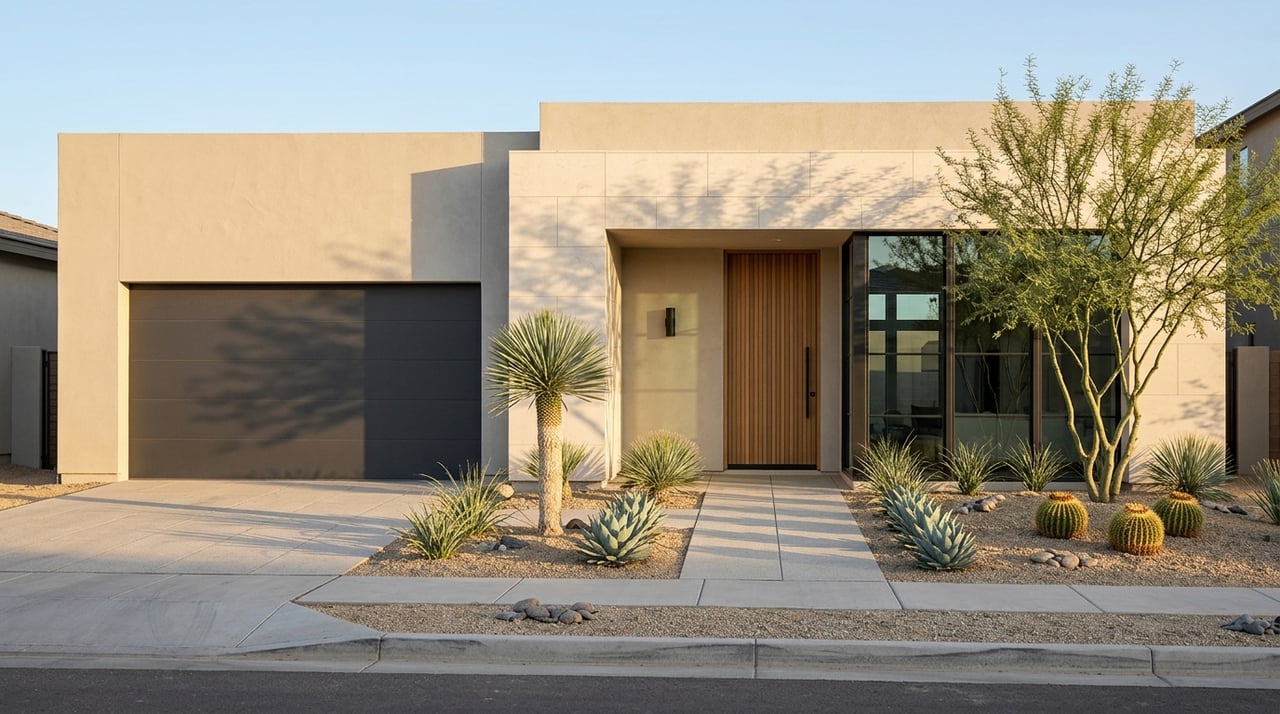
One of the clearest differences is the housing mix. Summerlin West leans more heavily toward newer homes, including attached homes, duet-style homes, and newer single-family options across multiple neighborhoods.
According to Summerlin’s current materials, Summerlin West offers nearly 60 floorplans in 13 neighborhoods. That gives buyers a wider choice of fresh layouts and contemporary designs, especially if you want lower-maintenance living or a smaller footprint.
Classic Summerlin offers more of a resale ladder. Instead of one dominant housing type, you will find a mix that can include condos, townhomes, detached homes, and custom-home pockets depending on the village.
If you like having more existing inventory to compare, classic Summerlin may feel more flexible. If you want brand-new construction and more builder-driven choices, Summerlin West may stand out.
Price ranges overlap more than many buyers expect
It is easy to assume Summerlin West is only the high-end side of Summerlin, but the pricing picture is broader than that. The research shows West includes product that has started in the high $200,000s and $300,000s, while current offerings also run from the mid-$400,000s to more than $1 million.
Recent neighborhood examples in Summerlin West range from the mid-$500,000s through the mid-$600,000s, low $800,000s, and into the high $800,000s and high $900,000s. In other words, West is not just one luxury band. It is the newest product pipeline with a range of price points and property types.
Classic Summerlin also covers a wide spread. Market snapshots in the research show The Crossing around $409,000 to $465,000, Summerlin Centre around $567,000 to $569,000, The Arbors around $605,000, and The Willows around $670,000.
For buyers, the takeaway is simple: both areas can serve different budgets. In classic Summerlin, price tends to reflect village age, lot size, and whether a home is attached, detached, custom, or age-qualified. In Summerlin West, pricing is more closely tied to new construction, current releases, and modern product types.
Summerlin West offers a newer setting
If setting matters as much as square footage, Summerlin West has a distinct feel. Official community materials describe it as elevated land with views, and some areas are said to sit high enough to feel up to five degrees cooler than the Strip.
That elevated placement can appeal to buyers who want a more edge-of-community setting. Summerlin West also includes more urban-inspired planning in some newer districts, including a grid-style roadway pattern in Redpoint Square.
For some buyers, that creates a fresher, more contemporary experience. You may feel like you are buying into the community’s next chapter rather than its original core.
Classic Summerlin feels more established
Classic Summerlin often appeals to buyers who want a neighborhood that feels settled. The earlier villages were developed alongside parks, community centers, schools, and nearby retail or office nodes, which gives many of these areas a more mature day-to-day feel.
This part of Summerlin also sits closer to the community’s original civic and commercial core. That includes proximity to major anchors like Downtown Summerlin and Summerlin Hospital, which are already woven into the surrounding neighborhood network.
For some buyers, that established pattern brings peace of mind. You are stepping into a part of the community that has had more time to develop its rhythm, identity, and resale variety.
Amenities are strong on both sides
The good news is that you are not choosing between an amenity-rich area and an amenity-light one. Both Summerlin West and classic Summerlin share the broader Summerlin package, including more than 300 parks, more than 200 miles of trails, 10 golf courses, 26 public, private, and charter schools, a public library and performing arts center, Summerlin Hospital, and Downtown Summerlin.
What changes is not the overall amenity brand, but how finished the immediate surroundings feel. In classic Summerlin, many of those supporting features are already embedded into the area. In Summerlin West, new parks, schools, and retail support are still being added around the newest districts.
That means Summerlin West can feel more dynamic and forward-moving, while classic Summerlin can feel more complete today. Neither is inherently better. It depends on what kind of environment you want around you right now.
Which buyers may prefer Summerlin West
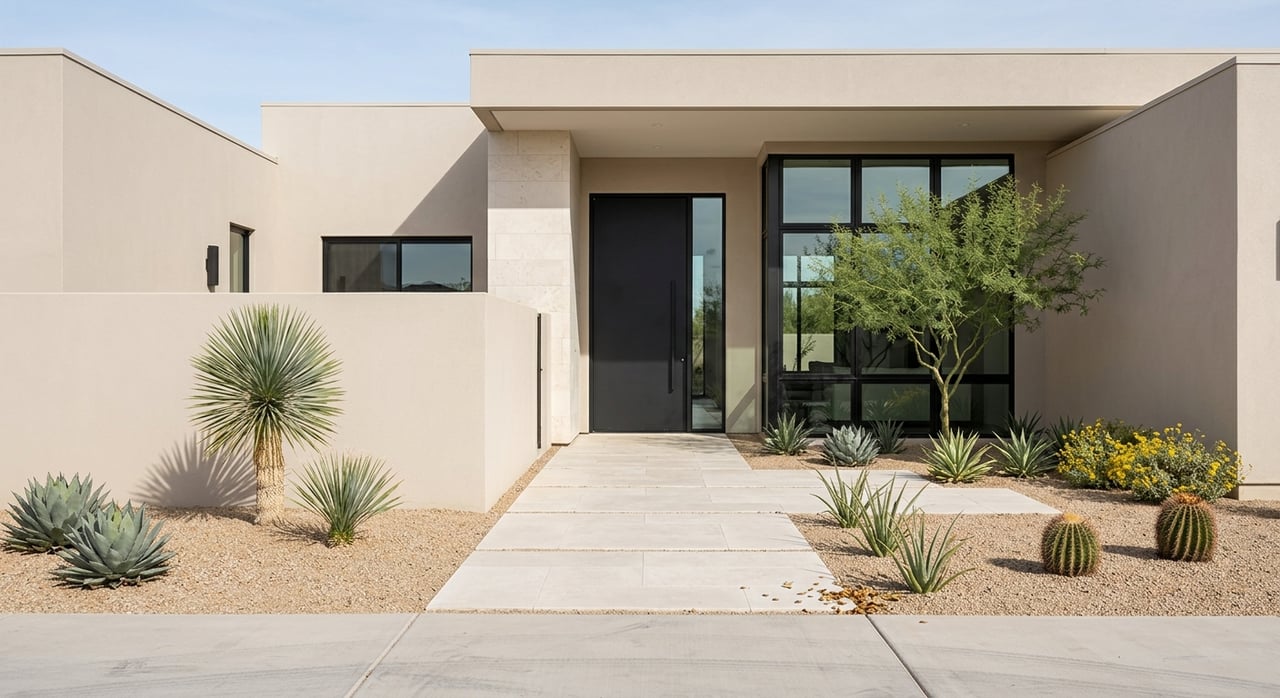
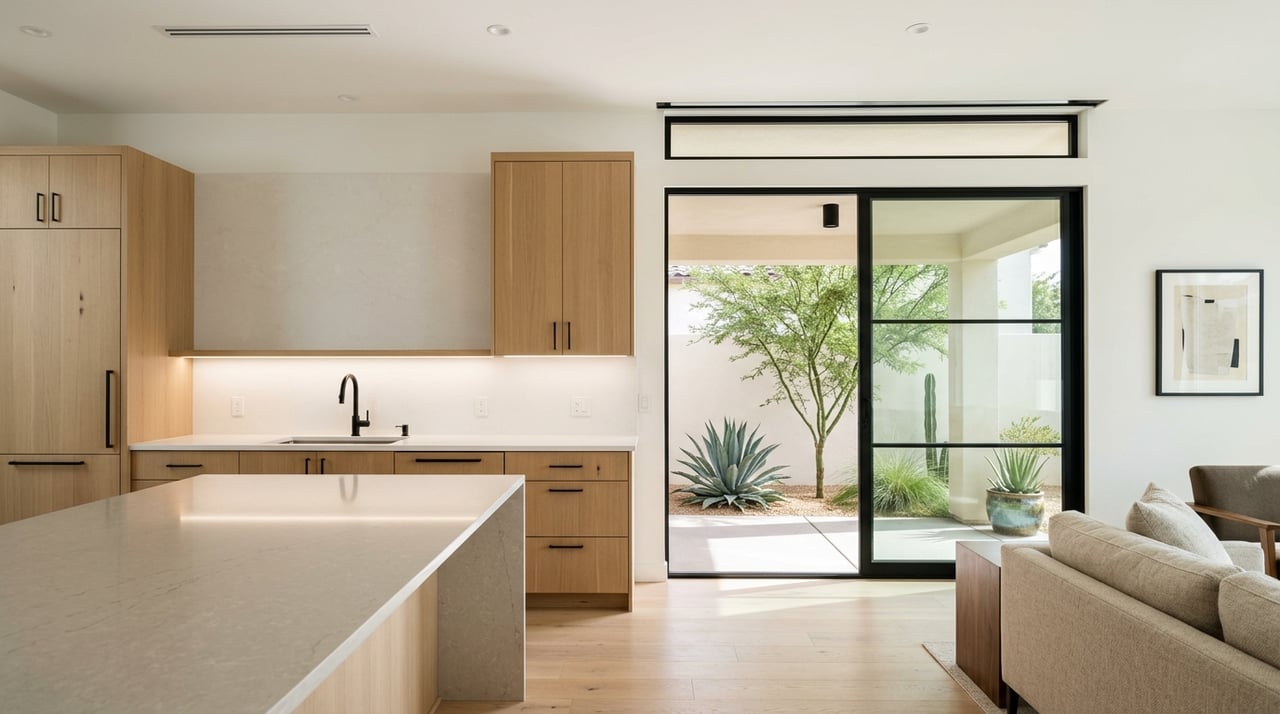
Summerlin West may be a strong match if you want a home that feels current from day one. That can include contemporary floorplans, lower-maintenance ownership, views, and more attached-home or smaller-footprint options.
The research specifically notes that the area has been described as a fit for first-time buyers, millennials, and retirees who prefer smaller-footprint living, while still offering single-family and luxury options. That range matters because it keeps West from being boxed into just one buyer profile.
You may want to focus on Summerlin West if your priorities include:
- Newer construction
- More builder inventory and floorplan choices
- Attached or duet-style homes
- Lower-maintenance living
- Elevated topography and views
- Buying in an area that is still growing
Which buyers may prefer classic Summerlin
Classic Summerlin may make more sense if you are drawn to mature village character and resale variety. Because these villages have been around longer, you are often comparing homes with more variation in lot size, design, and location within the neighborhood.
That can be helpful if you want more choice beyond the current builder release cycle. It can also appeal to buyers who prefer being closer to the original Summerlin core and the established mix of parks, community services, and retail.
You may want to focus on classic Summerlin if your priorities include:
- A more established neighborhood feel
- Broader resale inventory
- Mature infrastructure and landscaping
- Proximity to the original core of Summerlin
- A wider mix of older condos, townhomes, detached homes, and custom areas
- Comparing homes across several long-established villages
The best choice depends on your buying strategy
If your goal is to simplify maintenance, enjoy a fresh floorplan, and buy into Summerlin’s newest chapter, Summerlin West may be the better fit. If your goal is to compare more resale options and live in a part of the community that feels more settled, classic Summerlin may check more boxes.
The key is to compare these areas based on how you plan to live, not just by the map. A newer attached home in Summerlin West and a detached resale home in The Arbors or The Willows may offer very different ownership experiences, even if the price points are not far apart.
That is where local guidance can help. When you look beyond broad labels and compare inventory, layout, setting, and long-term fit, the right choice usually becomes much clearer.
If you want help narrowing down Summerlin West versus classic Summerlin based on your budget, home style, and day-to-day goals, Jeremy Looby can help you evaluate your options with a clear, tailored strategy.
FAQs
What is the difference between Summerlin West and classic Summerlin?
- Summerlin West is the newer westward expansion of the community, while classic Summerlin refers to the earlier villages built mainly in the 1990s and early 2000s.
Are homes in Summerlin West more expensive than homes in classic Summerlin?
- Not always. The research shows both areas cover a range of price points, with Summerlin West spanning from more entry-level attached options to homes above $1 million, while classic Summerlin also offers a broad resale range depending on the village and property type.
Is Summerlin West only for buyers looking for new construction?
- No. New construction is a major draw, but the area also appeals to buyers who want smaller-footprint homes, lower-maintenance ownership, contemporary layouts, and elevated settings with views.
Does classic Summerlin have better amenities than Summerlin West?
- Both share the larger Summerlin amenity package, but classic Summerlin often feels more established because many parks, services, and commercial areas are already integrated into the neighborhood network.
Which area is better for resale variety in Summerlin?
- Classic Summerlin generally offers more resale variety because its older villages include a wider mix of condos, townhomes, detached homes, and custom-home pockets.
How do I choose between Summerlin West and classic Summerlin as a buyer?
- Start with your priorities. If you want newer homes and an evolving setting, Summerlin West may fit better. If you want a more established environment and broader resale choices, classic Summerlin may be the stronger match.