Thinking about buying a Las Vegas rental home from out of state? It can be a smart move, but it also comes with local rules, costs, and market details that are easy to miss when you are not on the ground. If you want to invest with more confidence, it helps to understand how Clark County works, what expenses to expect, and which questions to answer before you make an offer. Let’s dive in.
Why Las Vegas draws rental buyers
Las Vegas is part of a large and growing housing market, and that matters if you are considering a rental property. A 2026 Clark County economy overview reported a 2025 population of 2,408,358, with projected population growth of 3.9% from 2025 to 2030 and job growth of 24.9% from 2020 to 2025. Those trends help explain why many buyers see long-term rental potential here.
The city of Las Vegas itself had an estimated population of 678,922 in July 2024, making it a major submarket within the broader Clark County area. For you as a buyer, that means the rental landscape is not one-size-fits-all. Demand, property type, and local rules can vary depending on exactly where you buy.
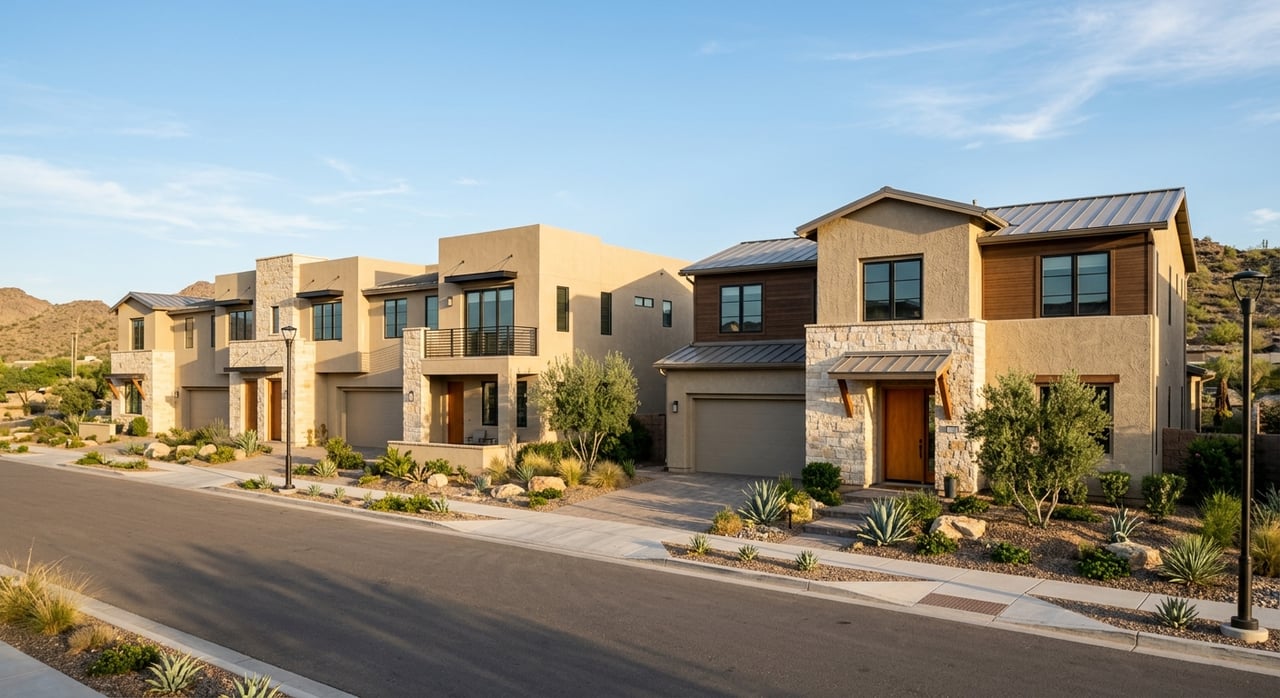
Clark County also has a wide mix of housing stock. Its 2025 housing estimates showed 560,434 single-family units, 192,733 apartments, 69,425 condominiums, 52,146 townhomes, 21,958 duplex to 4-plex units, and 21,197 mobile homes. In simple terms, detached homes are a major part of the market, but condos, townhomes, and smaller multifamily options are also meaningful segments.
Start with your rental strategy
Before you look at neighborhoods or property photos, decide how you want the property to perform. Your strategy affects what type of home you target, what rules apply, and what costs you should plan for. This is especially important when you are buying from another state and may be relying on assumptions from a different market.
A few key questions can help you clarify your plan:
- Do you want a long-term rental?
- Are you considering a mid-term use?
- Are you hoping for a short-term rental approach?
- Do you prefer a single-family home, condo, or townhome?
- Will you self-manage, or hire a licensed property manager?
Short-term rentals are not the same as long-term rentals in Las Vegas. The City of Las Vegas defines short-term or vacation rentals as stays of 31 consecutive days or fewer and requires a business license. Clark County also licenses short-term rentals in unincorporated areas and states that rentals of fewer than 31 days without a license are illegal there.
That means you should never assume a rental model is allowed just because it works in another nearby area. Henderson, Las Vegas, North Las Vegas, and unincorporated Clark County each use their own ordinances. If you are buying from out of state, confirming the exact jurisdiction should be one of your first due-diligence steps.
Know which jurisdiction governs the property
This is one of the biggest points out-of-state buyers miss. A mailing address may say Las Vegas, but the property could fall under a different governing jurisdiction. That can affect permitted rental use, licensing requirements, and how certain local rules are applied.
Before you move forward, confirm whether the property is located in:
- Las Vegas city limits
- Unincorporated Clark County
- Henderson
- North Las Vegas
That small detail can shape your entire rental plan. If you are purchasing with income goals in mind, local verification should happen early, not after escrow is underway.
Understand the numbers behind the market
A broad market headline does not tell you how every rental will perform. State housing data for Clark County showed 173,486 renter-occupied units, an 8.86% vacancy rate, a median year built of 1994, and a median contract rent of $1,484. These figures are useful because they encourage realistic planning.
For you, that means building in room for vacancy, maintenance, and turnover. Two homes with similar price points can perform very differently depending on age, location, HOA structure, and utility or landscape demands. A thoughtful budget matters more than a rosy online estimate.
The age of the housing stock also matters. With a median year built of 1994, many homes may have systems, finishes, or landscaping features that need periodic attention. If you are buying remotely, having a clear picture of condition and likely upkeep becomes even more important.
Budget for closing and carrying costs
Out-of-state buyers often focus heavily on purchase price and expected rent, but the monthly and annual costs deserve just as much attention. Las Vegas rental ownership can be very manageable, but only if your numbers reflect real local expenses.
At purchase, Nevada’s Real Property Transfer Tax is collected when the deed is recorded. The statewide rate is $1.95 for every $500 of value above $100, and Clark County adds $0.60 per $500. The buyer and seller are responsible together and individually, so it is important to understand how that cost will be handled in your transaction.
Property taxes are another line item to review closely. Clark County bills property taxes once each fiscal year, with taxes due the third Monday in August. If the bill exceeds $100, installments may be paid on the first Monday in October, January, and March.
There is also an important difference between owner-occupied and non-owner-occupied tax caps. Clark County states that non-owner-occupied property generally receives up to an 8% cap on annual tax increases, while a primary residence is capped at 3%. If you are buying strictly as a rental, that distinction belongs in your long-term math.
Do not overlook HOA rules and costs
If you are buying a condo, townhome, or home in a common-interest community, the HOA can have a major impact on your ownership experience. Nevada rules make clear that owners can be obligated to pay a share of taxes, insurance premiums, maintenance or improvement, and other common expenses. In practice, that can mean regular dues plus the possibility of special assessments.
Just as important, governing documents can affect how the property is used. They can include leasing restrictions and other limits tied to use, improvement, and enjoyment of the property. For an out-of-state buyer, reviewing those documents before closing is essential.
This is one reason a lower-maintenance property is not always simpler on paper. A townhome or condo may reduce some exterior upkeep, but HOA obligations can materially change the cost structure. You want the documents and the monthly numbers to support your rental strategy, not work against it.
Plan for desert-specific maintenance
Las Vegas has operating costs that may feel different from the market you are coming from. Southern Nevada’s desert climate affects landscaping, irrigation, and routine upkeep, especially for single-family rentals with yards.
The Southern Nevada Water Authority states that mandatory summer watering restrictions prohibit landscape irrigation between 11 a.m. and 7 p.m. from May 1 through Aug. 31. The region also continues to promote turf removal and water-smart landscaping. For you, this means landscape design and irrigation efficiency are not minor details.
A property with extensive grass or higher outdoor water needs may require more hands-on attention and a more careful budget. A home with simpler desert landscaping may be easier to manage from afar. Either way, outdoor maintenance should be part of your review before you buy.
Build the right local team
Owning from another state usually works best when you have trusted local support. Nevada’s Residential Landlord and Tenant Act, found in NRS Chapter 118A, governs rental relationships, and written rental agreements must be signed by the landlord or agent and the tenant or agent. Even if you live elsewhere, the property still operates under Nevada law.
If you plan to hire help, verify that the professionals handling the property are properly licensed. The Nevada Real Estate Division regulates real estate professionals and property managers, and its property-manager guidance states that a Nevada real estate license is required before a Property Manager Permit can be issued. That makes licensing verification a practical first step, not a formality.
A strong local team can help you make better decisions before closing, not just after. For many out-of-state buyers, the goal is not simply to purchase a property. It is to purchase a property that fits the local rules, matches the intended use, and can be managed smoothly over time.
A practical due-diligence checklist
If you want to keep your search focused, use a simple checklist before you commit:
- Confirm whether your plan is long-term, mid-term, or short-term rental use
- Verify the exact jurisdiction governing the property
- Review HOA or common-interest-community documents carefully
- Budget for transfer tax, property tax, HOA charges, management, and landscape or water costs
- Evaluate the property type based on maintenance needs and rental goals
- Verify that any property manager or real estate professional is properly licensed in Nevada
You can also use Nevada housing data to compare rents, vacancies, housing types, and broader trends across Clark County and its major cities. That kind of research helps you move beyond guesswork and toward a more informed purchase.
What this means for out-of-state buyers
Las Vegas can offer meaningful rental opportunity, but success usually comes from local clarity rather than broad assumptions. The best property for you may be a single-family home with durable desert landscaping, a townhome with manageable exterior responsibilities, or a condo with rules and dues that still support your numbers. The right fit depends on your strategy, budget, and tolerance for oversight.
If you are buying from outside Nevada, your advantage comes from asking the right questions early. When you confirm the jurisdiction, understand the governing documents, and budget for true operating costs, you put yourself in a much stronger position to make a smart purchase.
Whether you are exploring a first rental, a relocation-driven purchase, or a lifestyle investment with income potential, a polished local process matters. If you want guidance tailored to Las Vegas and Henderson, connect with Jeremy Looby.
FAQs
What should out-of-state buyers verify first about a Las Vegas rental home?
- First, confirm the intended rental strategy and the exact jurisdiction governing the property, since local rules can differ between Las Vegas, Henderson, North Las Vegas, and unincorporated Clark County.
What costs are easy to underestimate on a Las Vegas rental property?
- Commonly missed costs include transfer tax, property tax, HOA dues or special assessments, property management, and landscape or water-related upkeep.
What do HOA documents matter for Las Vegas rental buyers?
- HOA and common-interest-community documents can affect leasing, owner obligations, assessments, maintenance responsibilities, and how the property may be used.
What is considered a short-term rental in the City of Las Vegas?
- The City of Las Vegas defines a short-term or vacation rental as a stay of 31 consecutive days or fewer, and that use requires a business license.
What market data should out-of-state buyers know about Clark County rentals?
- Clark County had 173,486 renter-occupied units, an 8.86% vacancy rate, a median year built of 1994, and a median contract rent of $1,484, which supports careful budgeting and realistic rent expectations.
What should out-of-state owners know about Nevada property management?
- If you hire a property manager, verify licensing through the Nevada Real Estate Division, since a Nevada real estate license is required before a Property Manager Permit can be issued.